Hardwood Floor Restoration in Scranton, PA
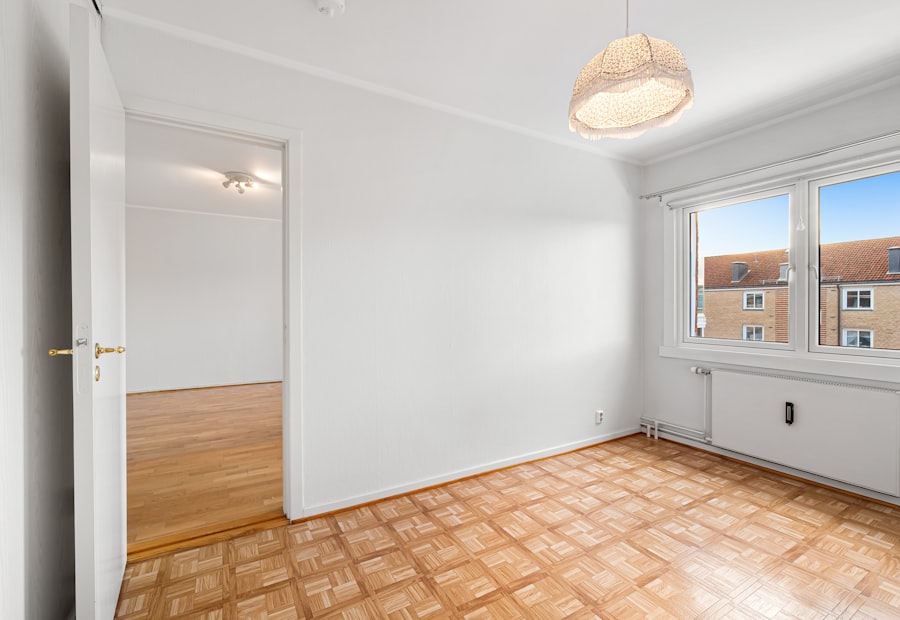
This is the project that makes both homeowners and flooring crews smile. Somewhere between the 1950s and the 1970s, thousands of Scranton homes had wall-to-wall carpet, vinyl tile, or linoleum installed directly over original hardwood floors. The wood underneath was not removed. It was just covered up and forgotten. Decades later, when the carpet wears out or the linoleum peels, the hardwood underneath is still there, waiting.
What Is Under There
In most pre-1940 Scranton homes, the answer is old-growth red oak or white oak in narrow planks (2.25" is the most common width). Some homes, especially in the Hill Section and Green Ridge, have wider plank floors or mixed-species installations. The oldest homes in the city, from the 1880s and 1890s, occasionally have American chestnut, which is now extinct as a living timber species and irreplaceable.
The condition of the hidden floor depends on what was layered over it and how it was attached. Carpet installed with tack strips leaves small nail holes around the perimeter of each room. These are easily filled. Carpet glued directly to the wood is harder to clean but usually workable. Vinyl tile or linoleum glued to the surface may contain asbestos in the adhesive (common in pre-1980 installations) and requires careful, safe removal.
The Restoration Process
We remove the covering material carefully to avoid damaging the wood underneath. Tack strips, staples, and adhesive residue are all removed. We inspect the full floor for damage, missing boards, water stains, and structural issues. Any necessary repairs are done before sanding. Then the floor is sanded to bare wood, stained if desired, and finished. The transformation is usually dramatic: a room that felt dated and tired becomes warm, bright, and grounded by a floor that was there all along.
Is It Worth Restoring?
In almost every case in this area, yes. The old-growth hardwood in Scranton's pre-war homes is denser, harder, and more beautiful than any new hardwood available today. Restoring it costs less than installing new hardwood and produces a better floor. The only exception is wood that is severely damaged by water, rot, or termites to the point that most boards need replacement. We check the condition before quoting and give you an honest answer.
What It Costs
Restoration pricing varies by scope. Removing carpet and refinishing the floor underneath typically runs $4 to $8 per square foot (the removal and cleanup add to the base refinishing cost). Removing glued vinyl or linoleum is more labor-intensive. If asbestos is suspected in the adhesive, we recommend testing before removal and follow safe handling practices. Board repair or replacement in the restored floor is priced at $8 to $15 per square foot for the affected area.
Curious what is under your carpet? Pull up a corner in a closet and look. If you see hardwood, call (570) 880-0823. We will come take a look and tell you what it will take to bring it back.
How do I check if there is hardwood under my carpet?
Pull back a corner of carpet in a closet or along a baseboard. If you see wood planks underneath, you have hardwood. You can also check at a floor register or heat vent opening, where the floor edge is often visible.
What if some boards are damaged or missing?
We replace individual boards with species-matched stock. In most cases, the majority of the floor is in good condition and only a few boards need replacement. The patched areas blend in after sanding and finishing.
Could there be asbestos under my old floor covering?
Vinyl tile and linoleum installed before 1980 may contain asbestos in the tile itself or in the adhesive. If your floor covering is from that era, we recommend having a sample tested before removal. Testing is inexpensive and the results come back quickly. If asbestos is present, removal follows safe handling procedures.
How much of the original floor usually survives under carpet?
More than people expect. Carpet and its padding shield the wood from sunlight and foot traffic, so the hardwood underneath is often in better shape than the exposed areas around it. The usual damage is tack strip holes around the perimeter and staple holes, both of which fill and disappear under a refinish.
What does it cost to remove the carpet and haul it away?
Carpet and pad removal, tack strip pull, and disposal typically add $0.50 to $1.50 per square foot on top of the refinishing price. We quote it as a separate line so you can see exactly what the removal costs versus the floor work.