Scranton Hardwood Floors: Hardwood Floor Refinishing, Sanding and Repair in Scranton, PA
Scranton Hardwood Floors is a hardwood flooring contractor serving Scranton, Pennsylvania and Lackawanna County. We provide hardwood floor refinishing, drum and orbital sanding, custom staining and color matching, water damage and cupping repair, dustless refinishing, board replacement, gap filling, stair and tread refinishing, screen and recoat maintenance, and commercial floor restoration. We work in solid red oak, white oak, American chestnut, heart pine and maple, finishing in oil-based polyurethane, water-based polyurethane and penetrating hardwax oil.
Over half of Scranton's houses were built before 1939, floored in old-growth oak you cannot buy new at any price. We measure what is left above the tongue before quoting a sanding, because that wood is finite and most of these floors have been sanded before. Finishes are Bona water-based polyurethane, oil-based polyurethane, or Rubio Monocoat hardwax oil. Every job is written down before it starts.
Call for a Free Estimate- Licensed and insured in PA
- Locally owned, not a franchise
- Old-growth oak, chestnut, and heart pine
- Dustless refinishing available
- Serving all of Lackawanna County
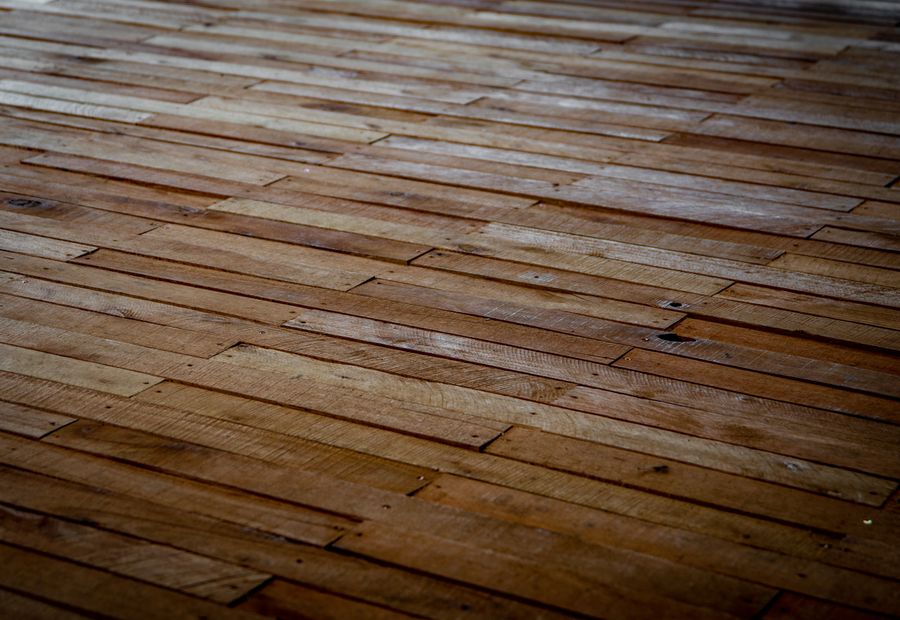
Hardwood Floor Sanding and Refinishing
Under the scratches, the wear paths, and decades of old finish, the original hardwood in your Scranton home is almost certainly worth saving. Over half the housing stock in this city was built before 1939, and the floors that went into those homes are old-growth red oak and white oak, denser and harder than anything sold at a lumber yard today. Sanding strips the damage back to bare wood. A fresh finish seals it for another generation. The result is a floor that looks better than the day it was installed, because it is better wood than anything you could buy to replace it.
We sand and refinish hardwood floors throughout Scranton and Lackawanna County. Most rooms take two to three days from sanding to final coat. You walk on it within 24 hours of the last coat. We handle moving furniture, protecting doorways, and cleaning up. Your job is to pick the sheen. Basic sand and refinish runs $3 to $6 per square foot. With custom stain, $4 to $8. Scranton-area data shows an average job cost of $1,148 to $1,390 for standard work.
Custom Staining and Color Matching
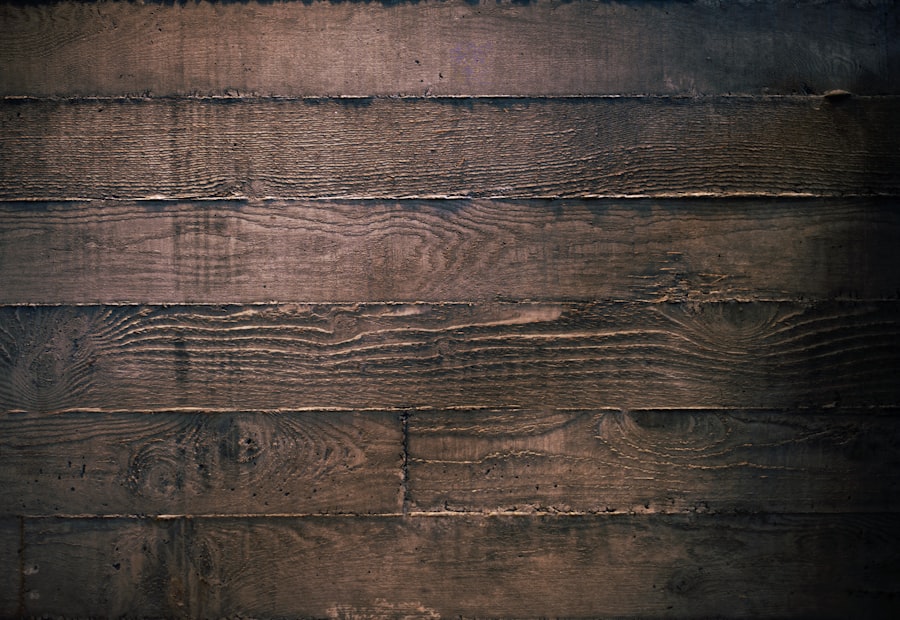
A stain changes the entire feel of a room. Dark walnut turns a bright kitchen dramatic. A grey wash makes a bedroom feel modern without ripping out the original flooring. And matching a new patch to your existing floor color is the kind of precision work that separates a professional job from a visible one.
We carry a full sample library and apply test patches on your actual floor before any commitment. Wood grain, species, and age all shift how a stain absorbs, so a sample on a card in a store tells you almost nothing. Your floor tells you everything. Dark walnut and jacobean are popular in the Hill Section and Green Ridge, where large rooms and high ceilings suit a richer tone. Grey and whitewash stains suit bedrooms and smaller spaces where a lighter feel works better. More on custom staining.
Water Damage and Cupping Repair
Basement moisture is the silent floor killer in Scranton. The older homes that make this city beautiful sit on rubble stone or unreinforced block foundations, and seasonal humidity swings in NEPA push moisture up through the subfloor. The result is cupping: plank edges lift while the centers stay flat, and the floor starts to feel uneven underfoot.
We diagnose the moisture source before we sand. That matters, because sanding a cupped floor without fixing the cause means the cupping comes back. We use pin and pinless moisture meters to check both the hardwood surface and the subfloor, and if the readings are above the safe range (6% to 9% for hardwood in this climate), we identify the source and recommend a fix first. Sometimes the fix is improving basement ventilation. Sometimes it is a dehumidifier. And sometimes it is a foundation repair or a plumbing leak that has nothing to do with the floors. The sanding comes after the wood stabilizes, not before. Water damage repair details.
Dustless Hardwood Floor Refinishing
Traditional sanding creates fine wood dust that reaches every room, every surface, and every set of lungs in the house. In homes built before 1978 (and that is most of Scranton), that dust may also contain lead from old paint and finish layers. Lead dust is a serious health hazard, especially for children. Dustless refinishing uses industrial vacuum containment at the sander to capture 99% of the dust before it becomes airborne. The equipment connects directly to the sanding pad and pulls dust into a sealed containment system before it can spread through the home.
The result is the same beautiful floor with dramatically less disruption. If you plan to stay in the home during refinishing, or if anyone in the household has allergies or respiratory concerns, dustless is the method worth considering. Learn about dustless refinishing.
Board Repair, Gaps, and Squeaks
A floor that has been walked on for 80 or 100 years develops its own character. Some of that character is beautiful. Some of it is a squeaky board at the top of the stairs, a gap that collects crumbs, a nail pop that catches socks, or a damaged plank from where the old radiator leaked for a winter before anyone noticed.
We replace individual boards with species-matched stock, fill gaps, silence squeaks from below when possible, and reset nail pops. Board repair is often done alongside a full refinish, and the repaired area disappears under the new finish. In homes this old, repair work is almost always part of the conversation during a refinish. We quote it clearly as a separate line so you know exactly what the repair adds to the overall cost. Board replacement runs $8 to $15 per square foot for the affected area. Floor repair details.
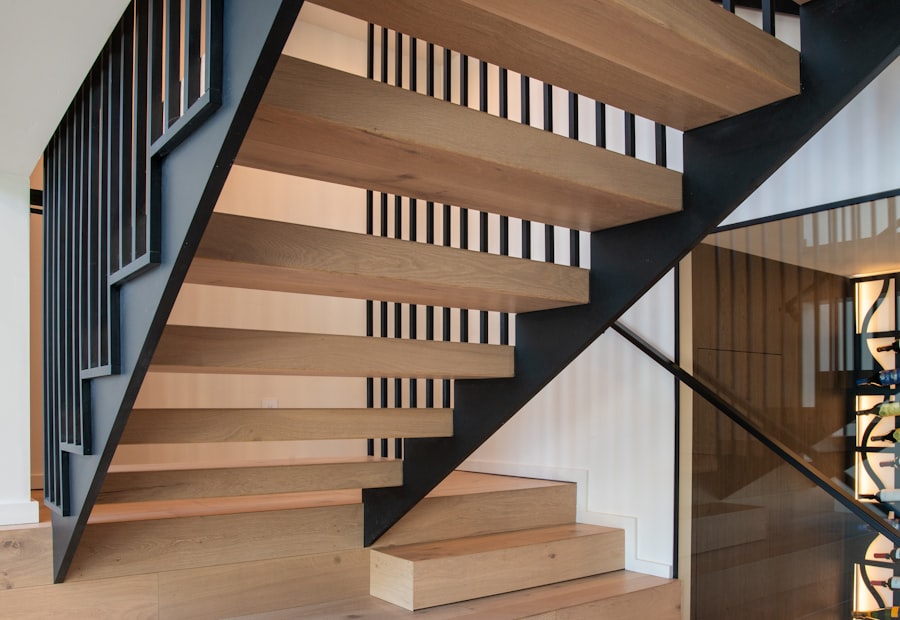
Stair Refinishing
Stairs take more abuse per square foot than any floor in the house, and they show it first: worn finish on the tread nose, scratches from pet claws, old carpet staple holes across the face. And because everyone sees the staircase every time they walk through the front door, worn stairs drag down the look of every floor they connect to.
We refinish stair treads, risers, newel posts, and handrails. Stairs are priced per step, not per square foot, because each step is hand-sanded and finished individually. The turnaround is usually two days, and we work top-down so you always have a way up and down. Stair refinishing details.
Why Scranton Homeowners Choose Us
- Over half of Scranton homes were built before 1939. That means old-growth hardwood under your feet, denser and harder than modern lumber. We specialize in the species and conditions found in homes of this era, from narrow-plank red oak to the rare chestnut floors in the oldest houses. Many of these floors are hidden under carpet and waiting to be restored.
- Green Ridge, Hill Section, South Side Victorians. These neighborhoods and surrounding towns like Dunmore and Old Forge hold some of the finest original hardwood in northeastern Pennsylvania. Floors this good are worth saving, and refinishing preserves wood that cannot be re-bought at any price.
- Basement moisture and cupping: we diagnose before we sand. NEPA's seasonal humidity swings and older foundations mean cupping is the most common floor failure in this area. We find the moisture source first, because sanding a cupped floor without fixing the cause is a temporary fix at a permanent price.
- Old-growth red oak and white oak are denser than anything sold today. The wood in your 1920s home was milled from trees that grew slowly for centuries. That density means your floors can be sanded and refinished multiple times over their life. Replacement with modern stock is a downgrade. Refinishing is an investment.
- Honest pricing, no pressure. You get a written estimate before work starts. Every price range on this page comes from real market data, not a number we picked to sound good on a website.
Built for Scranton's Oldest Floors
Scranton has some of the oldest housing anywhere in the country. Close to half the housing in this metro went up before 1950, and in Green Ridge it is almost the whole neighborhood. That age is the reason the floors here are worth the work: how old a house is decides the species, the density and the quality of the wood under your feet.
Homes from this era were built with old-growth lumber milled from forests that had never been logged. The trees grew slowly over centuries, producing tight grain rings and exceptional density. A red oak plank from a 1920s Scranton home is measurably harder than a red oak plank from a modern lumber yard. That density is why these floors are still serviceable after 100 years of use, and it is why refinishing them preserves value that replacement cannot match.
The Scranton area also presents specific challenges. Steep seasonal humidity swings (cold, dry winters followed by humid summers) cause wood to expand and contract more than in milder climates. Older foundations, many built from rubble stone or unreinforced block, allow basement moisture to migrate upward into the subfloor. The recommended humidity range for hardwood floors is 30% to 50% relative humidity, and most older Scranton homes with unfinished basements sit outside that band for months at a time. This is why cupping is the most common hardwood floor problem in the area, and it is why we always check moisture levels before we sand.
Our 5-Step Refinishing Process
Inspection
We check the floor condition, species, moisture levels, and any damage. You get a written estimate with the scope and price before anything else happens.
Preparation
Furniture moved, doorways sealed with plastic, baseboards protected. If you chose dustless, the containment system goes up before the sander turns on.
Sanding
Multiple passes from coarse to fine grit remove old finish, scratches, and surface damage down to clean, bare wood. Edges and corners are done by hand.
Staining
If you want color, we apply test patches and you approve the shade before the full floor is stained. Natural finish skips this step entirely.
Finishing
Two to three coats of polyurethane (oil-based or water-based, your choice), with light sanding between coats for adhesion. Walk on it within 24 hours of the final coat.
Hardwood Floor Refinishing Cost in Scranton
These are real price ranges based on current market data for the Scranton and northeastern Pennsylvania area, not invented numbers. Your actual cost depends on floor condition, square footage, and the scope of work. Every job gets a free written estimate before work starts.
| Service | Per Sq Ft | Typical Room (250 sf) | Whole House (1,200 sf) |
|---|---|---|---|
| Basic sand and refinish | $3 - $6 | $750 - $1,500 | $3,600 - $7,200 |
| With custom stain | $4 - $8 | $1,000 - $2,000 | $4,800 - $9,600 |
| Dustless refinishing | $5 - $8 | $1,250 - $2,000 | $6,000 - $9,600 |
| Stair treads (per step) | $25 - $85/step | ||
| Board repair/replacement | $8 - $15/sf | Varies by scope | Varies by scope |
Scranton-area local data shows a typical refinishing job runs $1,148 to $1,390 for a standard scope, with per-square-foot rates as low as $2.70 to $3.00 for basic work. Larger homes (1,000 to 1,500 sq ft) typically see scale pricing of $3.50 to $6.00 per square foot, bringing whole-house jobs into the $3,500 to $9,000 range depending on stain, finish type, and floor condition.
What moves the price:
- Custom or dark stain adds $1 to $3 per square foot over a natural finish
- Dustless method adds $2 to $3 per square foot (worth it for occupied homes and pre-1978 lead paint era houses)
- Board repair, gap filling, and uneven subfloor work are sometimes found mid-job and quoted separately
- Extra poly coats add $0.50 to $1.75 per square foot each (more coats = more durability, especially in high-traffic areas)
- Stairs are priced per step ($25 to $85), not per square foot, and add up quickly on multi-story homes
Hardwood Species and Finish Options
Red Oak vs. White Oak
Red oak is the dominant species in Scranton-area homes from the early 1900s. It has a warm, pinkish tone and prominent grain. It takes stain well and sands beautifully when the old finish is removed. White oak is also found in many homes of this era. It has a tighter grain, a slightly golden tone, and is naturally more water-resistant than red oak. Both species in old-growth form are significantly denser and harder than the plantation-grown oak sold today.
Chestnut and Rare Species
The oldest homes in Scranton (pre-1900) occasionally have American chestnut floors. The chestnut blight wiped out the species in the early 1900s, making these floors irreplaceable. If your home has chestnut, refinishing is the only sensible option. Replacement is not possible outside of salvaged stock, which is expensive and limited. Heart pine appears less commonly in the region but is occasionally found in specific eras and building styles.
Finish Types
Oil-based polyurethane is the traditional choice. It adds a warm amber tone that deepens with age, is extremely durable, and costs less per coat. The tradeoff is a stronger odor during application and longer dry times (24 hours between coats).
Water-based polyurethane dries clear without yellowing, has much lower odor, and dries faster (4 to 6 hours between coats). It costs slightly more per coat and may need an extra coat to match the durability of oil-based. This is the better choice if you want to preserve the natural color of white oak or a light stain.
Penetrating oil finish (such as Rubio Monocoat or similar hardwax oils) soaks into the wood instead of sitting on top. The result is a matte, natural look with no surface film. Touch-ups are easier (no need to sand the whole floor for one scratched area), but it does not have the same high-gloss sheen or surface hardness as poly. It works best in homes going for a low-sheen, lived-in look.
What We Recommend for Scranton Homes
For most homes with red oak floors in this area, oil-based poly in a satin finish gives the best balance of durability, warmth, and cost. For white oak floors where you want to keep the wood's natural cool tone, water-based poly in matte or satin is the better match. We carry both and apply test sections so you can see the difference on your own floor before committing.
Frequently Asked Questions
How long does hardwood floor refinishing take?
Most single rooms take two to three days: one day to sand, one day for stain (if applicable), and one day for finish coats. A whole-house job typically takes three to five days depending on square footage and how many coats of finish you choose. Water-based poly dries faster (4 to 6 hours between coats) than oil-based (24 hours between coats), so finish choice affects the timeline. You can walk on the floors in socks within 24 hours of the final coat. Full cure for furniture and rugs takes about a week. We give you a specific timeline during the estimate based on your floor's square footage and condition.
How much does it cost to refinish hardwood floors in Scranton?
Basic sand and refinish runs $3 to $6 per square foot. With custom stain, expect $4 to $8 per square foot. Dustless refinishing runs $5 to $8 per square foot. Scranton-area data shows a typical job averages $1,148 to $1,390. See the pricing table above for per-room and whole-house estimates. Every job gets a free written estimate before any work starts.
Can you refinish hardwood floors without sanding?
In limited cases, yes. If the existing finish is in decent shape with only light scratches and wear, a screen-and-recoat (also called a buff-and-coat) can add a fresh layer of finish without sanding down to bare wood. This costs less and takes less time, but it only works on floors that have not been waxed and have no deep scratches, stains, or color changes. We will tell you honestly whether your floors qualify.
Do I need to move out during refinishing?
With traditional sanding, most people prefer to be out of the room being worked on, mainly because of dust and finish fumes. Oil-based polyurethane has a strong odor for 24 to 48 hours after application. Water-based poly has much less odor. Dustless refinishing combined with water-based finish makes it possible to stay in the home during the entire process. We will advise based on your situation, household members, and the finish you choose.
What is dustless refinishing?
Dustless refinishing uses sanding equipment connected to industrial vacuum systems that capture wood dust at the source. It eliminates roughly 99% of airborne dust compared to traditional sanding. This is especially important in pre-1978 homes (most of Scranton's housing stock) where old finish and paint layers may contain lead. It costs $2 to $3 more per square foot than traditional sanding but keeps the home livable during the work.
How do I know if my floors need refinishing vs. replacement?
Refinishing is the right call if the wood itself is structurally sound but the finish is worn, scratched, or discolored. Signs that refinishing will work: visible wear paths, dull or flaking finish, surface scratches, sun discoloration, or a floor that just looks tired. Hardwood floors can typically be sanded and refinished three to five times over their life, depending on wood thickness. Replacement is only necessary when boards are rotted through, severely warped beyond repair, or sanded too thin in prior refinishes. In Scranton's older homes, the original old-growth hardwood is usually thick enough for multiple refinishes and too valuable to replace. We check the remaining wood thickness during the free inspection and give you an honest answer.
Can you match my existing floor stain?
Yes. We carry a full range of stain colors and custom-mix on site to match your existing floor. We apply test patches on a small area of your actual floor so you can approve the match before the full application. Wood species, age, and grain all affect stain absorption, so testing on your floor is the only reliable way to confirm a match.
How long before I can walk on refinished floors?
You can walk in socks within 24 hours of the final coat for most finishes. Wait 48 to 72 hours before placing area rugs. Furniture can go back after about a week, and we recommend felt pads on all furniture legs from day one. Full cure takes roughly 30 days, during which you should avoid dragging heavy items across the floor.
Do you refinish stairs?
Yes. We refinish stair treads, risers, newel posts, and handrails. Stairs are priced per step ($25 to $85 depending on condition and detail work), not per square foot. We work top-down so you always have access. Most stair refinishing jobs take one to two days.
Can you fix water-damaged hardwood floors?
In most cases, yes. Minor cupping from seasonal humidity often resolves with proper moisture control and time, followed by sanding once the wood stabilizes. Severe cupping, buckling, or boards that have begun to rot may require partial replacement before refinishing. The first step is always diagnosing the moisture source. We use moisture meters to check the wood and subfloor, and we will not sand a floor that is still actively taking on moisture.
What hardwood species are in my old Scranton home?
The most common species in Scranton homes built before 1940 is red oak. White oak is also frequently found. In the oldest homes (pre-1900), you may have American chestnut, which is now extinct as a living timber species due to the chestnut blight. Heart pine shows up occasionally. We can identify your species during the free inspection. It matters because species affects stain color, sanding approach, and finish recommendations.
How often should hardwood floors be refinished?
Every seven to ten years for typical residential use, depending on traffic, pets, and the finish type. High-traffic areas like hallways and kitchens may need it sooner. A well-maintained floor with rugs in high-traffic zones and felt pads on furniture can often stretch to 12 to 15 years between refinishes. If the finish is worn through to bare wood anywhere, it is time.
Is there hardwood under my carpet?
In Scranton's older homes, the answer is very often yes. During the 1950s through the 1970s, wall-to-wall carpet was installed over original hardwood in thousands of area homes. Linoleum and vinyl tile were also layered directly over hardwood in kitchens and bathrooms. Pull up a corner in a closet or along the edge of a room to check. You can also look at a floor register or heat vent, where the floor edge is often visible. If there is hardwood under there, it is almost always worth restoring. The old-growth oak hidden under mid-century carpet in Scranton homes is typically in far better condition than people expect. Tack strip holes fill easily, and the wood itself, protected from light and wear for decades, often looks remarkably good once sanded. More on uncovering and restoring hidden hardwood.
Do you do commercial hardwood refinishing?
Yes, on a case-by-case basis. Offices, restaurants, retail spaces, churches, and historic buildings with hardwood floors are all projects we handle. Scranton has a number of commercial and institutional buildings with original hardwood floors that benefit from professional refinishing. Commercial jobs are usually scheduled for after hours or weekends to minimize business disruption. We recommend dustless refinishing for occupied commercial spaces. Call to discuss your space and timeline.
Serving Scranton and Lackawanna County
We refinish hardwood floors throughout Scranton and the surrounding towns of Lackawanna County. Every home in this area has its own history, its own flooring, and its own challenges. We know the housing stock and the conditions that affect it.
Ready to See What Your Floors Can Look Like?
Call (570) 880-0823 for a free estimate. Tell us about your floors: the species if you know it, the home's approximate age, what the floors look like now, and what you want them to look like when we are done. You will get a straight answer on cost, timeline, and the best approach for your specific floor. We will tell you whether your floors are candidates for a standard refinish, whether they need repair work, whether moisture is a concern, and which finish type makes the most sense for your situation. No pressure and no fine print. Just a clear answer from someone who refinishes floors in Scranton homes every week.